In a world where women are too often left out and forgotten, literature gives them
a voice by bringing their stories back to life.
Hidden Figures” – The book before the movie
The bookHidden Figures, written by Margot Lee Shetterly, tells the story of
African American women who worked at NASA and helped make space exploration possible.
Before this book, very few people knew their names.
The book came out in September 2016, after six years of writing, and it was
adapted into a movie right after, in the same year.
Here, literature helps show that these women were talented and brave scientists,
even if they were often invisible at the time.
Excerpt from the book :
“Knowing that only a handful of these 'girls’ had earned the title of
'mathematician’ — a professional label that put them on equal footing with the lowest-level male
employees — the fact that most of the calculators were kept in 'assistant’ positions could only
help the lab’s budget.”
— Margot Lee Shetterly, Hidden Figures
Image of a book
The Importance of Storytelling
Telling these stories in books or articles matters. It helps bring justice to
those who were forgotten and shows that science was never meant to be just for men.
In these books, women scientists come back into the light.
These stories also inspire younger generations and encourage girls to get
interested in math, physics, or engineering.
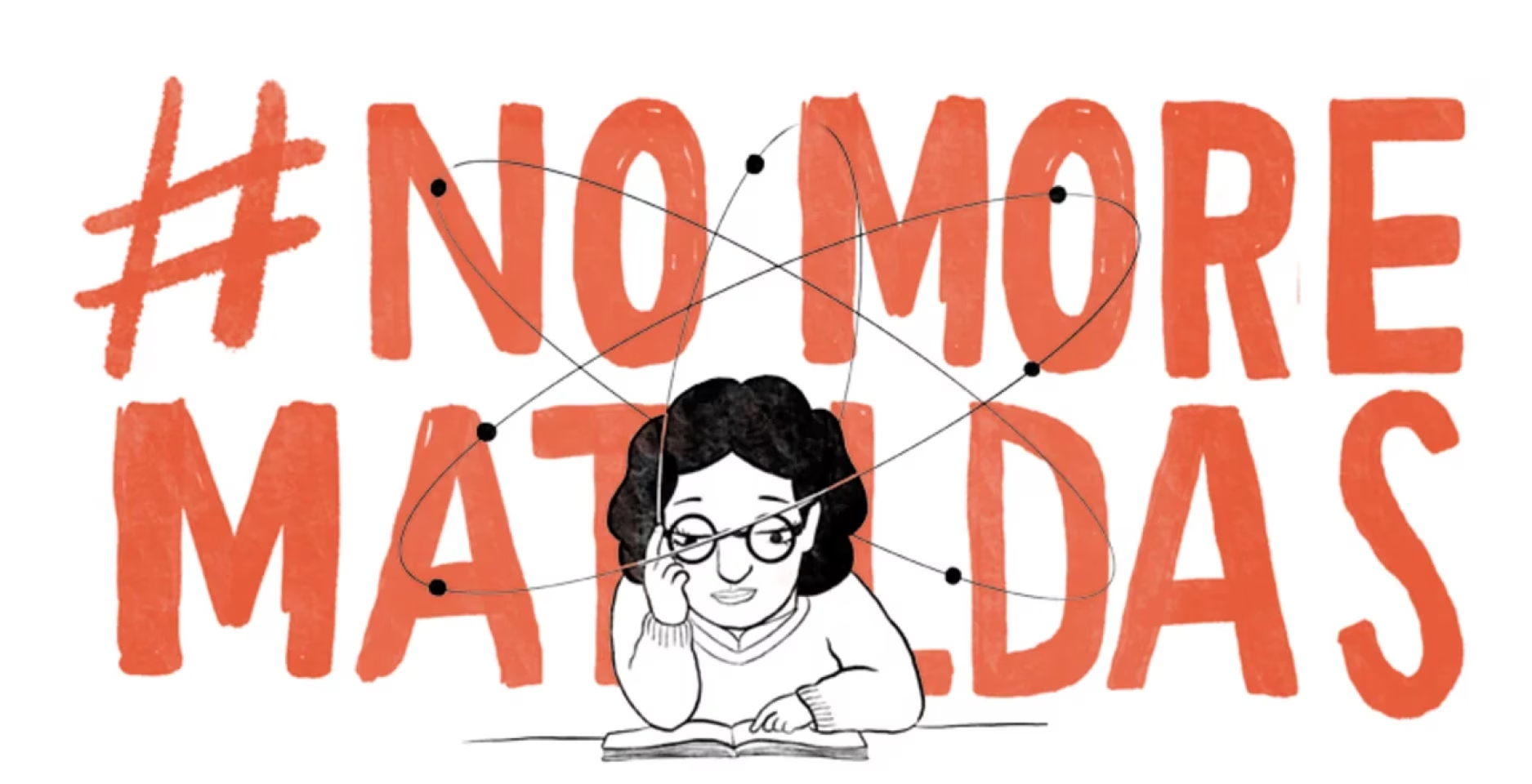
Slogan #no more matildas
The “Matildas”
This bad habit of society pushing women scientists aside, minimizing them, or
forgetting them has a name: the Matilda Effect.
Through storytelling, literature can fix these injustices and make long-ignored
talents visible again.
Today, even though society is changing and trying to make things right, it’s
still important not to forget the women scientists of the past.Books are a perfect way to do that.
Timeline of the Matildas
Here Are a Few of Them
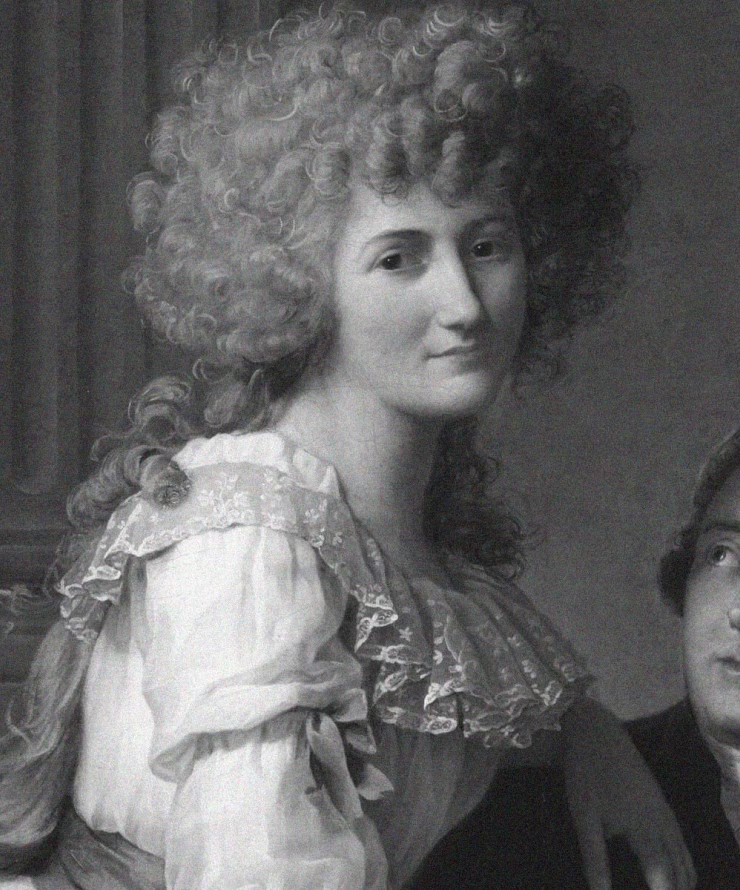
Marie Anne Pierrette Paulze de Lavoisier
(1758-1836)
Chemist, France
She was an essential collaborator to her husband,
Antoine
Lavoisier
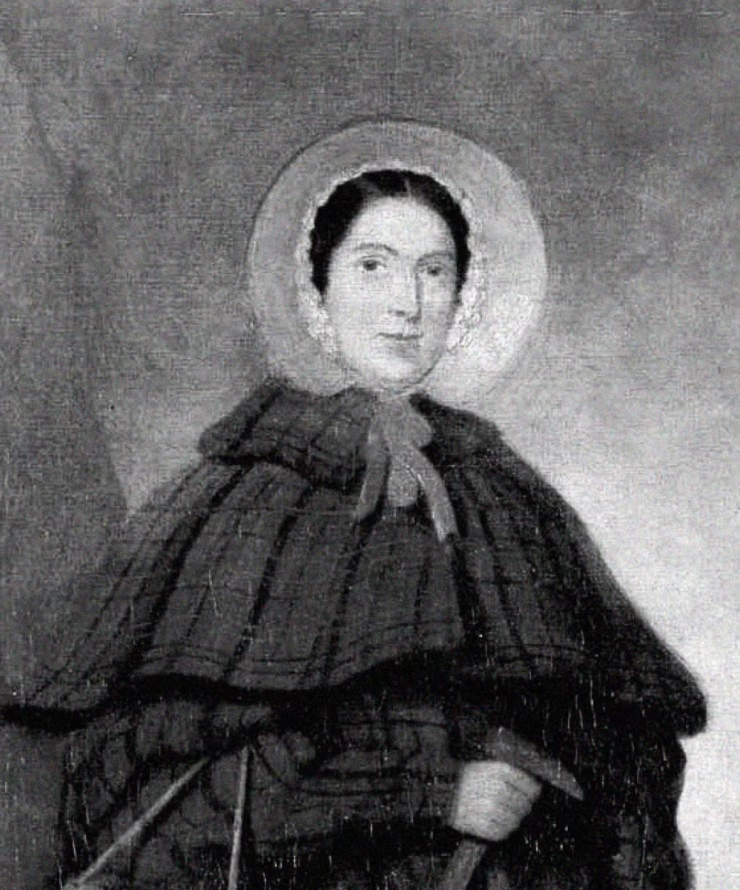
Mary Anning
(1799-1847)
Paleontologist, Great Britain
She identified the first skeleton of an ichthyosaur
(dinosaur)
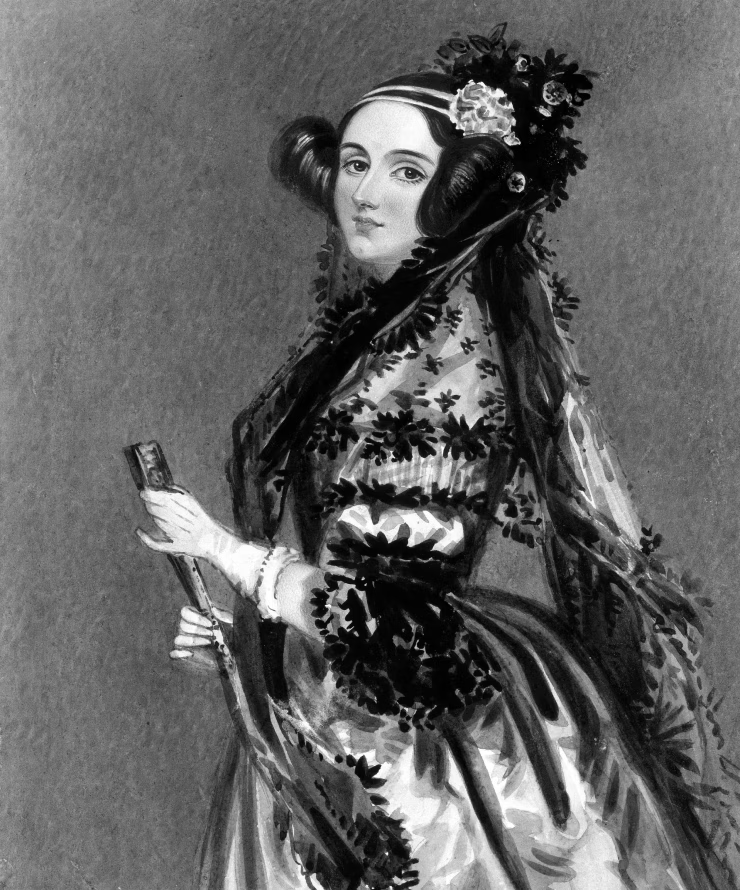
Ada Lovelace
(1815-1852)
Great Britain
The very first computer programmer in history
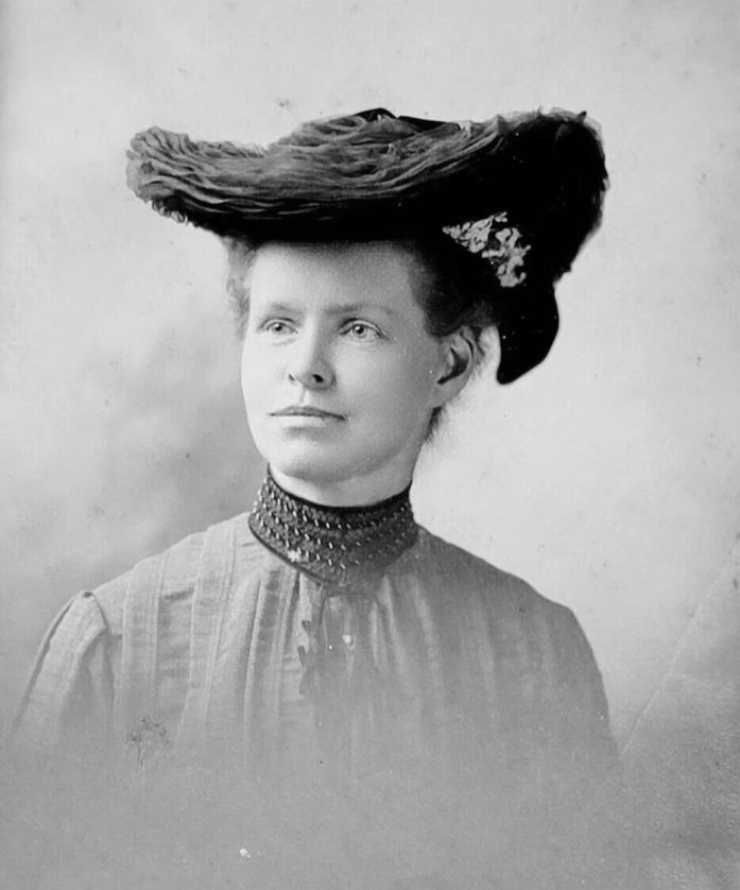
Nettie Maria Stevens
(1861-1912)
Geneticist, USA
She discovered the X and Y sex chromosomes
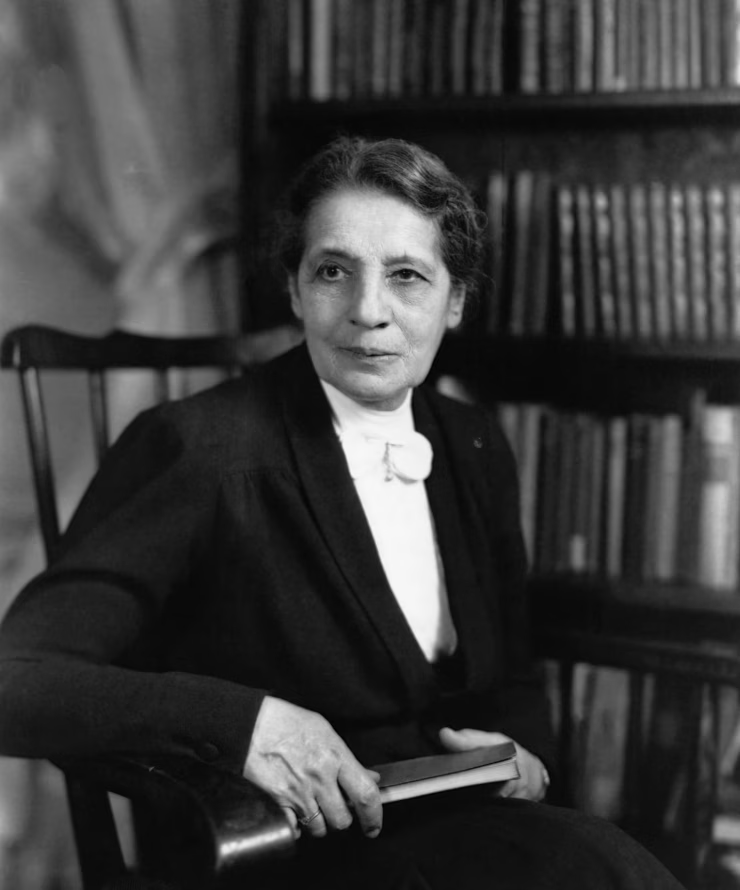
Lise Maitner
(1878-1968)
Nuclear physicist, Austria
She discovered the process of nuclear fission.
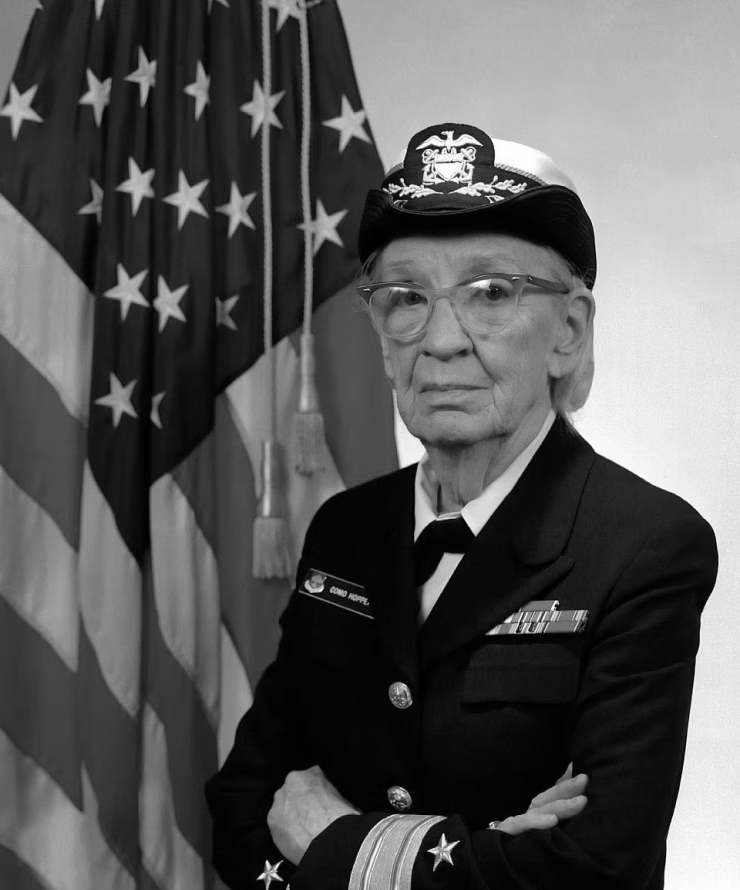
Grace Murray Hopper
(1906-1992)
Computer scientist and U.S. Navy lieutenant, USA
She developed the first computer compiler
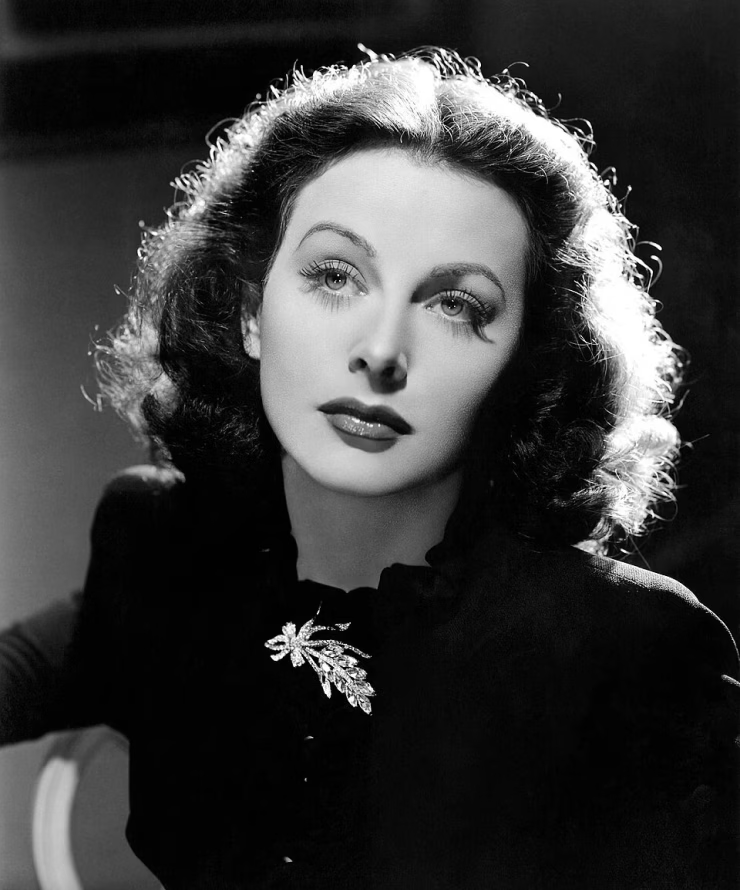
Hedy Lamarr
(1914-2000)
Inventor and actress, Austria
Besides being a famous actress, she created a system
that became the base for wireless communication like Wi-Fi and GPS.
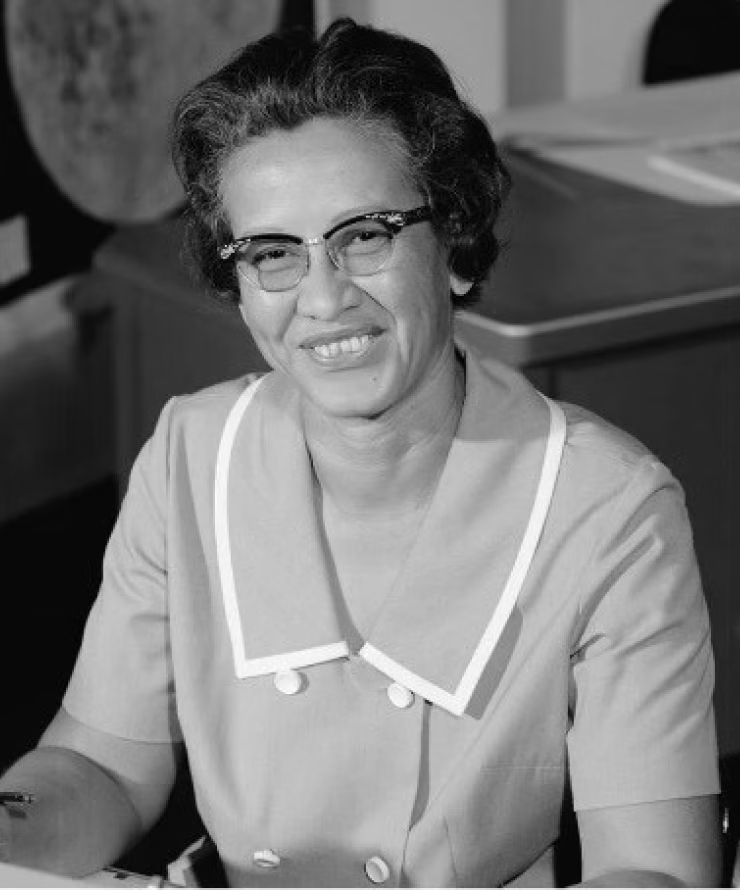
Katherine Johnson
(1918-2020)
Computer scientist, mathematician, aerospace engineer, physicist and teacher. USA
She calculated NASA mission trajectories by hand.
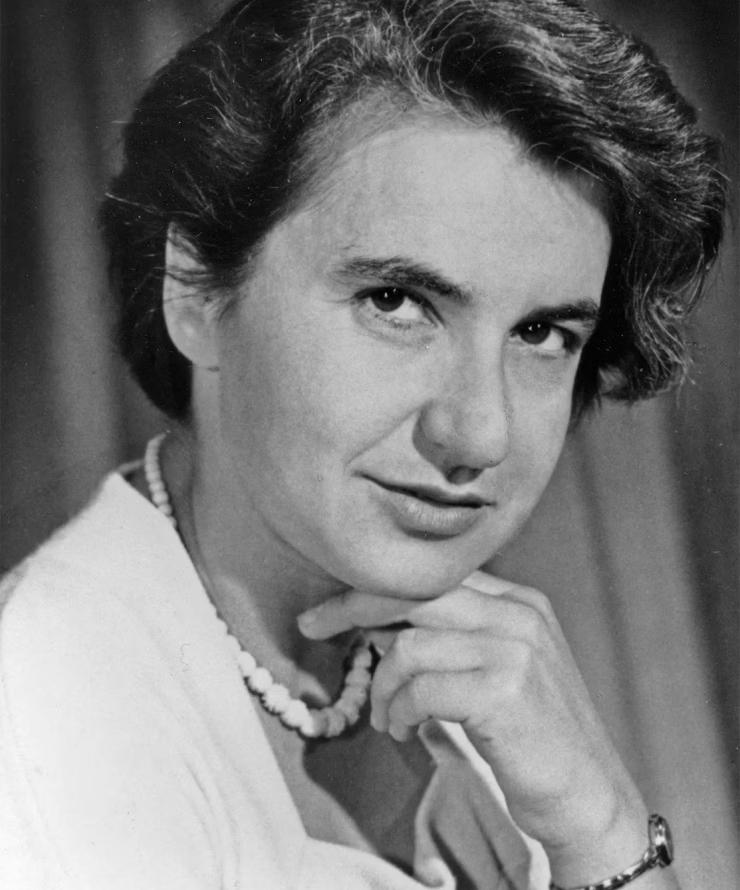
Rosalind Franklin
(1920-1958)
Chemist, Great Britain
She discovered the structure of DNA
Posted by Lucie Garcia
October 14, 2025 at 10:00 a.m.